 Nationwide Shipping Across NZ



5 Common Misconceptions About Powered Air Respirators (PAPR)
There are quite a few misconceptions floating around about powered air purifying respirators (PAPR). If you”re deciding on the best respiratory equipment for yourself or your workers, it”s important to separate fact from fiction. Let”s dispel five of the most common myths so you can make an informed decision.

1. You Need to Be Clean-Shaven for a Respirator to Work
This is true for negative-pressure, tight-fitting respirators, but not for positive-pressure PAPR respirators. Unlike half-face or full-face masks that require a tight seal, PAPR respirators work by filtering clean air into the headpiece, creating positive pressure that pushes out contaminants. This makes them ideal for people with beards, moustaches, or other facial hair.
Bonus Benefit: PAPR respirators are also proven to increase productivity in the workshop, thanks to their comfort and ease of use.
2. PAPR Respirators Require Fit Testing
False! Fit testing is necessary for tight-fitting, negative-pressure respirators, but not for loose-fitting PAPR helmets. Since PAPR respirators don”t rely on a tight seal, they bypass the need for fit testing altogether. This makes them a practical and user-friendly option for a diverse workforce.
3. Filters Only Need Changing When You Smell Contaminants
While it”s true that smelling contaminants is a sign your filter needs changing, relying solely on your sense of smell is risky. Everyone”s sense of smell varies, and contaminants can be harmful long before they”re detectable.
Best Practice: Use a PAPR unit like TECMEN”s FreFlow, which provides alerts when filters need changing. If your unit doesn”t have an alert system, keep a maintenance log and a regular filter replacement schedule.
4. Good Ventilation Makes PAPR Respirators Unnecessary
Even with good workshop ventilation, good powered PAPR respirators offer critical additional protection:
-
Airborne Contaminant Filtration: Filters out harmful particles that ventilation alone can”t eliminate.
-
Cool, Clean Air: Supplies fresh air to the wearer, reducing breathing resistance and heat build-up.
-
All-Day Comfort: Designed to stay on throughout various tasks, reducing the risk of exposure during transitions.
-
Comprehensive Protection: Shields the face, head, and neck from particles, welding flashes, and irritants.
Plus, PAPR helmets help ensure compliance with health and safety regulations, so you”ll have fewer worries when WorkSafe comes knocking.
5. Air-Fed Welding Helmets Cause Neck Strain
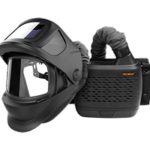
A good air-fed welding helmet is only slightly heavier than standard half-face or full-face respirators. Well-designed PAPR helmets, like the TECMEN TM820 and TM1000, distribute weight evenly to prevent strain and ensure all-day comfort.
Features to Look For:
-
Adjustable headgear straps for a secure fit.
-
Heavy-duty belts with shoulder straps to offset weight.
-
Centrally connected hoses for better balance.
These thoughtful design elements make modern PAPR helmets not just protective, but also practical and comfortable for long shifts.
Ready to Upgrade Your Respiratory Protection?
Don”t let misconceptions hold you back. Powered air respirators provide unmatched safety, comfort, and convenience. Explore the TECMEN FreFlow PAPR to see the difference it can make in your workshop.


 Available to everyone
 View stock levels & shipping times
 Access to trade accounts, & order history