 Nationwide Shipping Across NZ



5 Signs it’s Time to Upgrade to Powered Air Respirators
Have you been dreaming of a welding helmet with powered air but aren”t sure if it”s a necessity or a luxury? While combining a half-face respirator with a standard welding helmet might seem sufficient, it”s often not enough. Air-fed welding helmets with powered air purifying respirators (PAPR) aren”t just a nice-to-have; they”re a game-changer. Here are 5 signs it”s time to make the switch.

Ok so before we get to our top 5 signs it’s time to upgrade to an air fed welding helmet, we better get a couple of things straight…
How Dangerous Are Welding Fumes?
The reality is welding fumes are extremely dangerous. Did you know that all welding fumes are internationally classified as carcinogenic to humans? Those fumes you”re exposed to daily could lead to serious health issues over time. From short-term irritation to long-term illnesses like cancer, the risks are real. That”s why WorkSafe has strict regulations on safety gear and ventilation. If you”re not using the right protection, you”re putting yourself in harm”s way. Learn more about the dangers of welding fumes here.
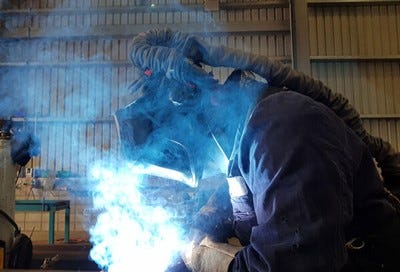
What exactly is an air fed welding helmet?
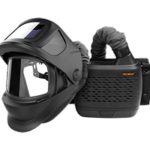
An air-fed welding helmet combines a welding helmet with a powered air purifying respirator (PAPR). Unlike standard respirators that rely on negative pressure, air-fed helmets use positive pressure to push harmful fumes away while delivering cool, filtered air to the wearer. Here”s how they work:
-
The blower unit contains replaceable filters to block contaminants.
-
A battery-powered motor filters the air and pushes clean air through a hose into the helmet.
-
The blower unit, typically worn on a belt, can also include backpack-style straps for better weight distribution.
-
Positive pressure keeps contaminants out, while the loose-fitting helmet eliminates the need for a tight facial seal.
-
The filtered air reduces heat and moisture buildup, making breathing easier and more comfortable.
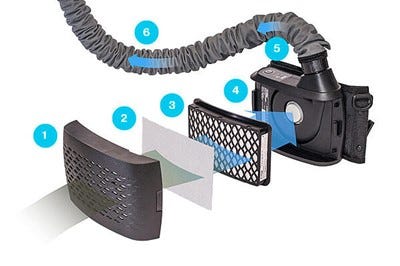
An air-fed welding helmet is a welding helmet that has a powered air purifying respirator (PAPR) connected to it. Unlike your standard full or half-face respirators which rely on negative pressure to filter out contaminants as you breathe, an air-fed respirator uses positive pressure to push the dangerous fumes away while also providing a stream of cool, filtered clean air to the wearer.
Here’s how it works:
The filtered clean air is pushed into the helmet, providing the wearer with fresh, cool air which enables easier breathing, and reduces heat and moisture build up.
Positive pressure works to keep airborne contaminants out of the helmet. With a loose seal around the neck of the helmet, and clean air being pushed in, there is more pressure inside the helmet than out. This means that particles and contaminants in the air will be pushed away from any potential entry points.
5 signs you should upgrade to an air-fed welding helmet
If it ain’t broke, why fix it? There’s tonnes of welders out there working with half or full face respirators that are doing the job just fine, so why would you change? The truth is, a good half-mask respirator CAN provide the protection needed when it is well maintained, worn correctly and has the correct filters attached. AND if this system works for the way you weld, then we agree – there’s no need to change. HOWEVER there are times when it makes sense to invest in a PAPR welding helmet. Here are our top 5:
1. There”s a Lot of Welding in Your Workshop
Even with good ventilation, high welding activity increases the presence of lingering fumes.
Air-fed helmets provide up to 5x the protection compared to standard respirators, making them a crucial upgrade in busy workshops.
2. Welding Takes Up a Large Portion of Your Day
If you”re welding for 6-8 hours daily, comfort and safety become non-negotiable.
Air-fed helmets are designed for all-day wear, offering cool, clean air that reduces heat stress and improves productivity.
3. Frequent “Man-Flu” Symptoms in the Workshop
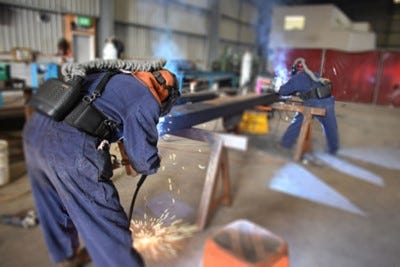
If you or your team experience symptoms like eye irritation, fatigue, or flu-like chills, it might be due to fume exposure.
An air-fed helmet minimizes these risks, safeguarding short- and long-term health.
4. Beards Are Non-Negotiable
Facial hair interferes with the seal of standard respirators, compromising protection. Air-fed helmets rely on positive pressure and don”t require a tight seal, making them ideal for bearded welders.
5. Switching Between Tasks is Common
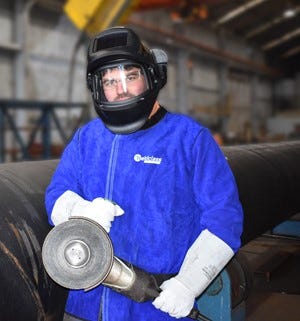
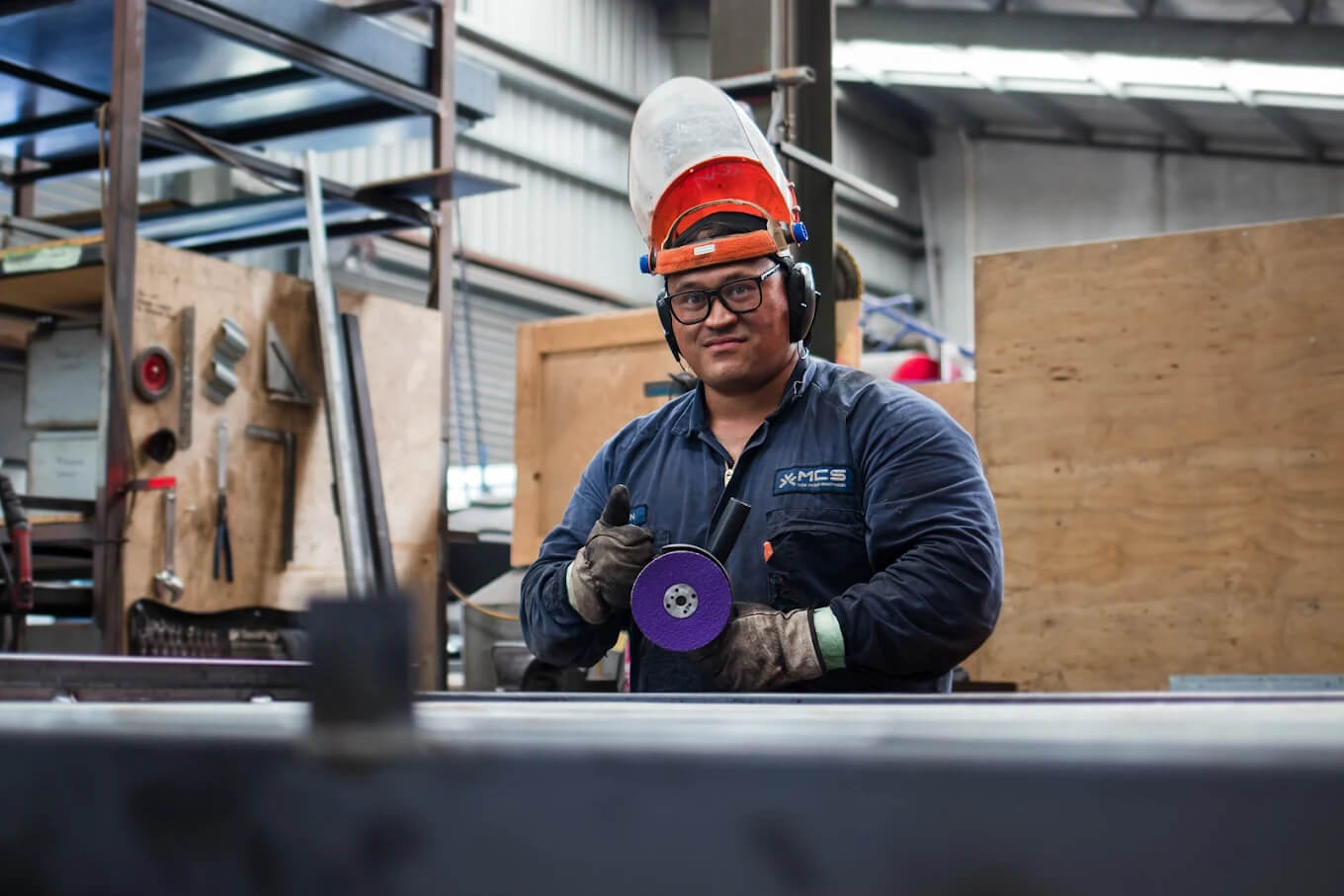
If your work involves frequent transitions between welding, grinding, and other tasks, a flip-front air-fed helmet is a time-saver. The auto-darkening lens makes it easy to switch tasks without removing the helmet, keeping you protected and efficient.
Time to Upgrade?
If any of these signs resonate, it”s time to consider an air-fed welding helmet. Protect your health, enhance your comfort, and boost productivity with a PAPR system. Ready to experience the benefits? Try a TECMEN air-fed welding helmet in your workshop today!
Cost Comparison
Worried about the costs of an air-fed helmet? Don’t be. We’ve done a comparison between the initial and ongoing costs of a TECMEN TM1000 Flip Front Welding Helmet + PAPR, and 3M’s Speedglas™ 9100xxi Flip Front Welding Helmet and a 3M Half Face Respirator 7500 and found that over time a welding helmet with PAPR can save you money! See the results below…
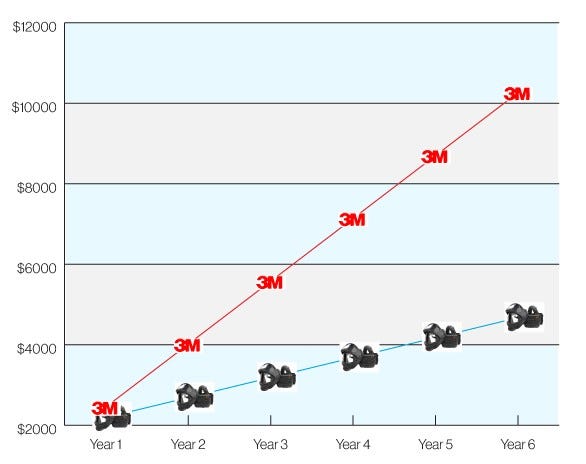
| Product | Costs (ex GST) | Avg. Replacement Time | Annual Cost |
| TECMEN TM1000 + PAPR | $1,698.00 | N/A | |
| TECMEN FreFlow Particle Filter | $44.00 | Quarterly | $176.00 |
| TECMEN FreFlow Pre-Filter (5pk) | $33.33 | Weekly | $319.96 |
| Ongoing annual cost | $495.96 | ||
| 3M’s Speedglas™ 9100xxi | $891.41 | N/A | |
| 3M Half Face Respirator 7500 | $78.90 | $78.90 | |
| 3M Particulate Filter 2135 P2/P3 (pair) | $30.90 | Weekly | $1,483.20 |
| Ongoing annual cost | $1,562.10 |
These calculations are based on retail prices. Annual costs are calculated over 48 weeks to include 4 weeks annual leave.


 Available to everyone
 View stock levels & shipping times
 Access to trade accounts, & order history