 Nationwide Shipping Across NZ



Are Workshop Welding Fumes Making You Sick?
Could your workshop’s welding process be putting your health at risk? Welding safety goes beyond good ventilation and protective gear—it”s about creating a workshop-wide strategy to minimise respiratory hazards. The way you weld could be making you and those around you sick.

Is It the Welding Fumes Making Me Sick?
How can you tell if welding fumes are behind your symptoms? The effects aren”t always immediate. Early signs often mimic the common cold, asthma, or fatigue. However, recurring issues or worsening symptoms might point to something more serious.
Look out for these common symptoms caused by welding fumes:
-
Coughing, wheezing, or shortness of breath: Signs of throat, nose, or lung irritation that can escalate to bronchitis or lung inflammation.
-
Gastrointestinal issues: Nausea, appetite loss, vomiting, or cramps may be caused by toxic exposure, not just the latest “gastro bug.”
-
Flu-like symptoms: Chills, fever, muscle aches, and a metallic taste could signal Metal Fume Fever, often appearing 4-12 hours after exposure.
-
Breathing difficulties: Worsening respiratory function during the workweek and improvement over weekends is a red flag.
-
Lung infections: Long-term fume exposure can lead to infections, including pneumonia, which can be fatal.
-
Asthma flare-ups: Fumes containing chromium oxide and nickel oxide (found in stainless steel) are known triggers for asthma.
Why Welding Processes Matter
Your welding process directly impacts the type and amount of fumes produced, often referred to as welding process fume production. Understanding these differences allows you to:
-
Identify high-risk processes and plan accordingly.
-
Select appropriate ventilation and respiratory protection for your team.
-
Create a safer work environment for everyone in the workshop.
Welding Techniques and Their Fume Levels
Here”s how common welding techniques compare in terms of fume levels in welding techniques and safety considerations:
Submerged Arc Welding (SAW)
-
Fume production: Low.
-
Uses: Ideal for butt and fillet welds.
-
Materials: Carbon-manganese steels, low alloy steels, stainless steels, and some non-ferrous materials.
SAW doesn”t require shielding gas, resulting in minimal fume production and excellent thermal efficiency. It”s a great choice for reducing exposure, though it requires flat positioning and slag removal.
TIG Welding (Gas Tungsten Arc Welding – GTAW)
-
Fume production: Low.
-
Uses: Precision welding and special applications.
-
Materials: Both ferrous and non-ferrous metals.
TIG welding provides high-quality welds with minimal fume production, making it one of the safest options. However, it requires skilled operators and may not be practical for heavy welding jobs.
Flux Cored Arc Welding (FCAW)
-
Fume production: High.
-
Uses: Shipbuilding and heavy plate welding.
-
Materials: Carbon steels, cast iron, nickel alloys, and some stainless steels.
While FCAW is highly productive, it generates significant fumes, requiring advanced ventilation and RPE for safety.
MIG Welding (Gas Metal Arc Welding – GMAW)
-
Fume production: High.
-
Uses: Popular in sheet metal and automotive industries.
-
Materials: Both ferrous and non-ferrous metals.
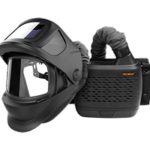
MIG welding is versatile and commonly used but produces toxic fumes, including manganese particles. Proper ventilation and Powered Air Purifying Respirators (PAPRs) are essential to protect welders from long-term health risks.
Take Action for Workshop Safety
Are your welding processes and safety equipment up to the challenge? Reviewing your techniques, ventilation, and RPE could make all the difference in protecting your team. Take action today to improve workshop air quality and explore welding safety tips to protect your team and ensure a healthier work environment.


 Available to everyone
 View stock levels & shipping times
 Access to trade accounts, & order history