 Nationwide Shipping Across NZ



How to keep your PAPR clean & maintained (Duplicated) (Duplicated)
Hey engineers and manufacturers! Let”s talk about the unsung hero of welding—your helmet. It shields you from sparks and intense light, but what about the invisible dangers like welding fumes?

So, what”s the solution? Enter the battle of the helmets: powered air vs non-powered. Which one”s the heavyweight champ for protecting your lungs? Let”s break it down.
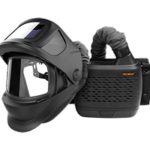
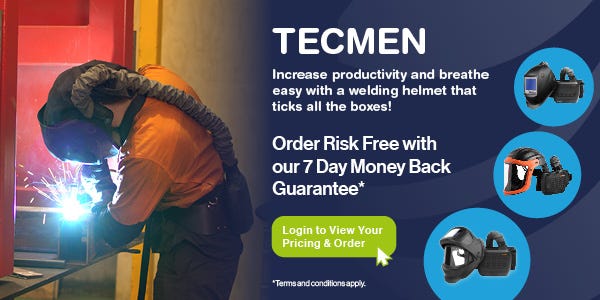
Non-powered and powered air welding helmets (PAPRs).
Non-powered helmets are simple, lightweight, and affordable. They offer head and eye protection but lack fume filtration, requiring a half-face respirator with P3 filters for fume safety.
Powered air helmets have built-in filtration for clean, cool air and superior fume protection, ideal for long sessions. While effective, the additional equipment can feel bulkier and includes a powered air system to carry.
Non-powered |
Powered |
|
Pros |
Pros |
|
Lightweight: Easier to wear for long periods with less strain. |
Built-in filtration: P3 filters (99.997% efficiency) protect against harmful welding fumes. |
|
Simple design: Fewer parts mean faster setup and removal. |
Cool air flow: Keeps the interior comfortable during extended shifts. |
|
Affordable: Cost-effective for smaller projects or occasional use. |
Integrated protection: Combines head, eye, and respiratory safety in one unit. |
|
Low maintenance: Durable and reliable with minimal up-keep required. |
Independent from ventilation: Provides mobility without relying on external systems. |
|
Cons |
Cons |
|
No fume protection: Requires additional respiratory gear like half-face respirators. |
Heavier design: Bulkier due to filtration units and battery packs. |
|
Relies on ventilation: Or half-face respirators (95% filter efficiency), offering less protection. |
Higher cost: Premium features increase the price significantly. |
|
Additional gear required: Half-face respirators add setup time and complexity. |
Maintenance needed: Regular filter replacements and battery charging required. |
Your decision boils down to a few key factors:
- Your Environment: Non-powered helmets work for well-ventilated spaces, while powered helmets shine in high-fume or confined areas.
- Comfort: Non-powered helmets are lighter for short jobs, but powered air helmets keep you cool and reduce fatigue during long shifts.
- Budget: Non-powered helmets are more affordable upfront, but powered helmets offer long-term health benefits.
- Ease of Use: Non-powered helmets are quick and simple, while powered helmets require a bit more setup.

Summary:
- Non-Powered Helmets: Great for light jobs and tight budgets.
- Powered Air Helmets: Perfect for serious protection and all-day comfort.
Your helmet isn”t just a tool—it”s your shield against hazards of welding. Choosing the right one can mean the difference between a productive day and long-term health risks. Safer workers are happier workers—a win for all.
Ready to take the next step? Explore our range of Tecmen welding helmets and find the perfect fit for your needs. Your safety starts here!

 Available to everyone
 View stock levels & shipping times
 Access to trade accounts, & order history